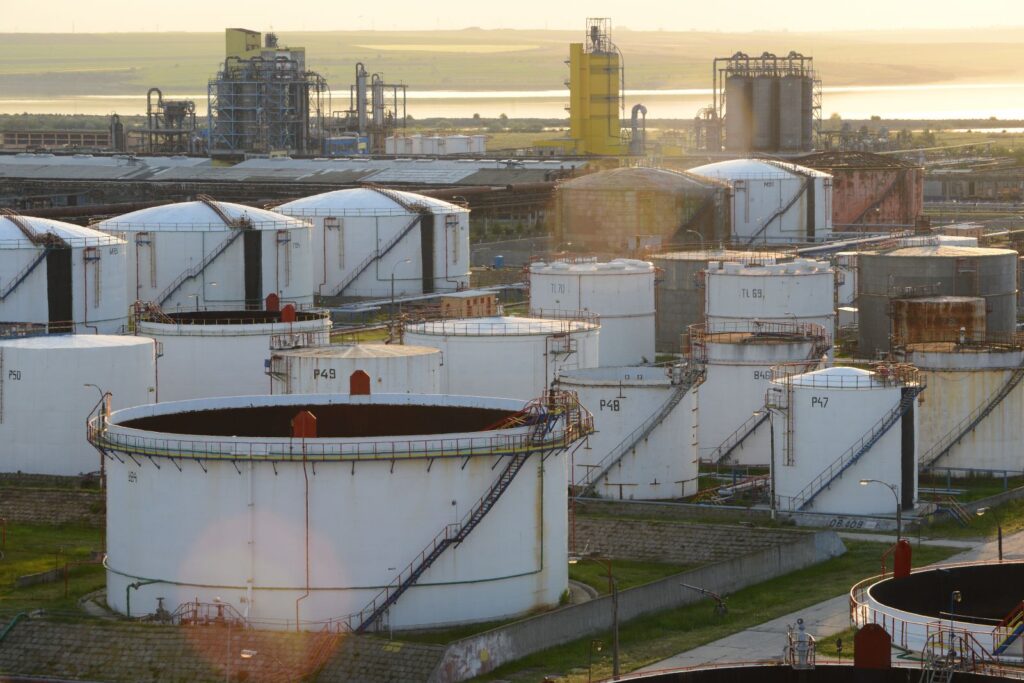

Global Energy Trading Company: Driving the Future of Secure Energy Supply
Global Energy Trading Company: Driving the Future of Secure Energy Supply In recent months, the global energy market has witnessed dramatic fluctuations — from the rise in LNG spot prices due to Middle East tensions, to new European energy policies reshaping import strategies. As the world seeks balance between energy security and sustainability, the role of the global energy trading company has never been more critical. Behind every barrel of oil, cubic meter of gas, or ton of LNG delivered across continents lies a sophisticated network of traders, suppliers, and logistics experts ensuring the world keeps moving. The Changing Face of Global Energy Trading The energy sector is transforming rapidly. Traditional models that once depended solely on long-term crude contracts are evolving into more flexible and data-driven systems. Today, a global energy trading company operates at the intersection of economics, geopolitics, and technology — navigating constant changes in demand, regulation, and environmental expectations. From oil majors to independent trading houses, these companies perform a vital role: matching supply and demand in real time across multiple regions. They manage risks, stabilize prices, and ensure nations and corporations have access to the energy resources they depend on. How a Global Energy Trading Company Works Understanding what happens behind the scenes helps buyers and partners make better procurement decisions. The modern global energy trading process involves several core stages: Market Research & AnalysisTraders monitor daily reports from EIA, OilPrice, and Reuters Energy to assess market conditions, production levels, and emerging demand. Strategic ProcurementCompanies source crude oil, natural gas, and refined products through long-term agreements or spot deals. They evaluate quality, pricing structures, and shipping logistics before finalizing contracts. Risk Management & HedgingBecause prices fluctuate daily, trading companies use hedging instruments like futures and swaps to protect both buyers and sellers from market volatility. Logistics & DeliveryCoordinating tankers, pipelines, and storage terminals, logistics teams ensure energy products reach destinations safely and on time. Many global firms, like /services/logistics-and-operations, integrate digital tracking to maintain transparency. Regulatory & Sustainability ComplianceAdhering to international laws, safety standards, and environmental frameworks is central to responsible energy trading. These pillars make a global energy trading company the backbone of international commerce — bridging producers in one part of the world with consumers thousands of miles away. The Strategic Importance of Global Energy Trading Why does the world rely so heavily on trading companies? Because they bring balance, liquidity, and efficiency to complex energy markets. 1. Energy Security Trading firms help countries diversify supply routes. When one region faces disruptions, others fill the gap — ensuring continuity of energy flow. 2. Price Stability By managing inventories and trading futures, these companies help stabilize prices that would otherwise fluctuate wildly. 3. Market Efficiency A global energy trading company connects multiple producers and buyers, allowing for competition that improves both quality and cost efficiency. 4. Sustainability Transition Many trading companies now invest in low-carbon initiatives and renewable fuel blending, aligning with global carbon reduction goals. Key Trends Reshaping the Energy Trading Industry The global energy landscape is evolving at record speed. Understanding these trends is essential for anyone involved in procurement or supply chain management. 1. Digitalization and AI Integration Data analytics and AI forecasting tools are now central to trading decisions. Predictive models allow companies to anticipate demand spikes, shipping delays, or price shifts weeks in advance. 2. Rise of LNG and Cleaner Fuels LNG has become the preferred bridge fuel for nations transitioning away from coal. A global energy trading company must now manage both conventional oil trades and low-carbon alternatives like LNG and biofuels. 3. Regional Market Interconnection Asia and Africa are emerging as critical hubs for future trading activity. African refineries and gas terminals are linking directly to Asian buyers, reducing dependency on Western intermediaries. 4. Transparency and ESG Compliance Governments and investors now demand detailed traceability for energy origin and carbon intensity. Modern trading platforms use blockchain and certification systems to verify sustainability claims. Procurement Strategies for Corporate Energy Buyers For industrial clients and energy agencies, procurement strategy is just as important as price. Here’s how to secure dependable supply through effective collaboration with a global energy trading company: Develop Long-Term Partnerships: Reliable traders like /services/supply-and-partnerships provide consistent delivery and transparent pricing. Diversify Sourcing Regions: Avoid overdependence on one oil grade or country. Use Financial Protection Tools: Incorporate Letters of Credit, escrow arrangements, and insurance-backed shipments. Monitor Market Data Regularly: Use reports from EIA and OilPrice for procurement timing. Include ESG Clauses in Contracts: Align sourcing with environmental and ethical standards. These approaches help reduce cost volatility and improve operational stability. Risks and Challenges in Global Energy Trading Operating as a global energy trading company comes with unique challenges that can impact supply reliability: Market Volatility: Oil and gas prices can change overnight due to political or economic shocks. Shipping Disruptions: Weather, strikes, or route blockages can delay cargoes. Regulatory Shifts: New carbon taxes or trade restrictions may affect import/export terms. Credit and Counterparty Risk: Financial defaults by buyers or sellers can cause major losses. To mitigate these, top trading companies invest in compliance monitoring, digital risk management systems, and verified trading partners like /services/verified-supplier-network. How AFSCL Energy Fits into the Global Energy Ecosystem At AFSCL Energy, we are more than a supplier — we are a global energy trading company with a mission to empower industries and governments through reliable energy access. Our trading and procurement services span: Crude Oil & Refined Products — From upstream sourcing to downstream distribution. LNG & Natural Gas Supply — For power plants and industrial use. Storage & Logistics Solutions — Integrated delivery through ports, pipelines, and terminals. Market Intelligence & Advisory — Real-time insights and strategic procurement planning. With a presence in multiple continents, AFSCL Energy builds long-term partnerships that strengthen national energy security and industrial productivity. Evergreen Insights: Building a Future-Proof Energy Strategy As global dynamics shift, companies must adopt strategies that remain relevant no matter how markets change. Here are evergreen insights to sustain procurement excellence: Adopt