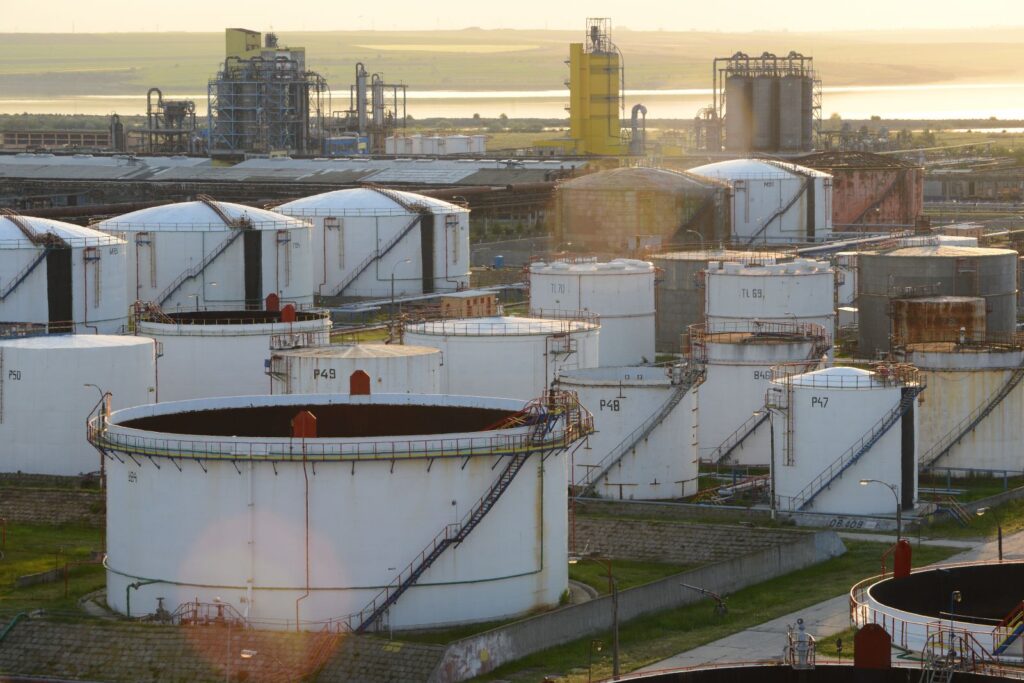
Energy Trading & Procurement: Global Insights and Future Opportunities
Energy Trading & Procurement: Global Insights and Future Opportunities In recent months, global headlines have spotlighted rising volatility in oil and gas prices — from OPEC+ production adjustments to Europe’s LNG import surge and Africa’s expanding refinery projects. As nations and corporations race to secure stable energy supplies, one thing has become clear: energy trading and procurement now sit at the heart of global economic resilience. For companies, governments, and industrial buyers, understanding how energy trading works — and how to navigate its complexities — has become essential for survival and success. The New Reality of Global Energy Procurement Energy procurement used to be simple: you bought fuel or power from a known supplier, signed a contract, and moved on. But in today’s world, the dynamics have shifted. Supply chains are longer, prices fluctuate hourly, and environmental regulations are changing how energy is produced, traded, and consumed. Energy trading bridges this gap — connecting producers, traders, and consumers through global markets that balance supply and demand in real time. At its core, energy trading involves the buying, selling, and hedging of energy commodities such as crude oil, natural gas, LNG, and electricity. Procurement, on the other hand, is the structured process of sourcing and contracting energy for industrial or national use. Together, they form the foundation of global energy security. Why Energy Trading Matters More Than Ever Several major forces are redefining the importance of energy trading and procurement today: 1. Supply Chain Disruptions Geopolitical tensions, logistics bottlenecks, and refinery maintenance schedules can halt supply overnight. Traders use strategic sourcing and risk management to ensure uninterrupted flow — often by diversifying suppliers and optimizing contract terms. 2. Price Volatility Crude oil and gas prices can swing dramatically within days. Smart procurement teams now rely on market data, hedging tools, and flexible contracts to stabilize costs and protect operational budgets. 3. Energy Transition The shift toward cleaner fuels is driving more complex procurement strategies. Many organizations now mix fossil fuels, natural gas, and renewables in their supply portfolios to meet both production and sustainability goals. How Energy Trading Works in Practice Understanding how energy trading functions helps buyers make smarter procurement decisions. The process typically follows these stages: Market Analysis – Traders and analysts monitor market trends, supply forecasts, and geopolitical factors from sources like EIA or Reuters Energy. Contract Negotiation – Buyers and sellers agree on volume, quality, delivery terms, and payment structures (often via Letters of Credit or escrow systems). Risk Management – Using futures, swaps, or spot trades, companies hedge against sudden market swings. Logistics & Delivery – Coordinating shipping, pipeline movement, or storage through reliable partners ensures timely fulfillment. Regulatory Compliance – International trading requires strict adherence to safety, quality, and environmental regulations. For organizations sourcing fuel or power globally, these stages determine not just profitability, but also long-term sustainability and energy security. Procurement Strategies That Work Procurement in energy trading is no longer a passive purchasing function — it’s a strategic advantage. Below are proven approaches leading companies use to maintain efficiency and control costs. 1. Build Long-Term Supplier Relationships Rather than jumping between vendors for minor savings, successful companies build strategic alliances with trusted suppliers like /services/trading-partners or /services/supply-chain. This ensures consistent quality, transparent pricing, and dependable delivery schedules. 2. Use Data-Driven Decision Making Procurement teams use dashboards that track price movements, freight costs, and contract performance. Tools like AI analytics and predictive modeling help anticipate market shifts before they happen. 3. Diversify Energy Sources Having multiple energy types — diesel, natural gas, LNG, or renewables — reduces dependency on a single commodity. This approach also helps meet environmental regulations and operational flexibility. 4. Implement Smart Risk Management Through futures contracts and insurance-backed agreements, companies can hedge price risks and guarantee supply continuity — a key practice in energy trading today. Global Trends Shaping the Energy Trading Landscape Energy trading is evolving rapidly, influenced by several global trends that buyers must watch closely. 1. Regional Market Integration Africa, for instance, is developing stronger intra-continental fuel trading routes. Projects like the Dangote Refinery and regional LNG hubs are set to transform trade patterns and reduce reliance on imports from distant suppliers. 2. Digitalization and AI Automation, blockchain, and digital trading platforms are reducing fraud, improving transparency, and making global transactions faster and more secure. 3. Energy Security Prioritization After recent disruptions in Europe and the Middle East, nations are prioritizing energy independence. This creates opportunities for traders and suppliers who can offer reliable and diversified sourcing. 4. Sustainability Commitments Many corporations are now under pressure to reduce carbon emissions. Traders offering low-sulfur fuels, biofuels, or certified LNG are in a strong competitive position. Risks in Energy Trading & Procurement — And How to Manage Them Every opportunity in the energy sector comes with inherent risk. Some of the most common challenges include: Market Risk: Rapid price fluctuations can affect margins. Operational Risk: Delays in shipping or documentation can lead to financial penalties. Regulatory Risk: Policy changes or sanctions can alter contract viability overnight. Credit Risk: Counterparties failing to meet payment obligations. The key to minimizing these risks is strategic partnership. Working with an established company like /services/global-energy-solutions ensures compliance, logistics coordination, and contractual integrity from source to delivery. Actionable Insights for Long-Term Procurement Success To remain competitive, companies must go beyond short-term buying. Here are evergreen strategies that will stay relevant regardless of market fluctuations: Invest in Market Intelligence: Stay updated with data from OilPrice, EIA, and other reputable energy platforms. Develop a Supplier Evaluation Framework: Continuously assess supplier performance, reliability, and ethical standards. Strengthen Contract Flexibility: Allow for volume and price adjustments to adapt to global changes. Focus on Sustainability: Include cleaner fuel alternatives in procurement plans to future-proof operations. Why Choose AFSCL Energy At AFSCL Energy, we understand that the future belongs to those who can balance opportunity with reliability. Our team provides comprehensive energy trading and procurement solutions, combining global market expertise with local execution strength. From sourcing crude oil and LNG